



FacebookFacebook
InstagramInstagram
MastodonMastodon
TwitterTwitter
MediumMedium
CallCall
116 POSTS
Paper Parker
Literary Magazine for Authors, Publishers & Readers.

Stay informed and inspired with the latest literary tips and tricks in Parker Pub.  Join our community of book enthusiasts and publishing professionals.

Experience the power of words with Parker Pub. Get the latest news, trends, and advice on the literary world and book publishing. Subscribe now.

  • Home
  • Press Release
  • Exclusive Book Review
  • Blog
    • Book Development
    • Marketing & Promotion
    • Publishing Formats
    • Publishing Industry
  • Parker Publishers Reviews
  • Contact Us
☰
Paper Parker
  • FEATURE ARTICLE FOR PAPER MAGAZINE BY PARKER PUBLISHERS
  • FOR IMMEDIATE RELEASE
  • Impossible Things by L. Renae Spann Now Available
  • Dangerous Enclosures by Del Hardiman Delivers a Brutally Honest Story of Survival, Courage, and the High Cost of Service
  • L. Renae Spann’s Upcoming Memoir, Confronts Generational Pain, and the Hard Road to Healing

Publishing Wars: Traditional vs Self-Publishing – Which is Right for You?

Kevin Bennett - Book Publishing - March 5, 2023
Kevin Bennett
1,523 views 5 mins 0 Comments

Introduction: Traditional Publishing vs. Self-Publishing

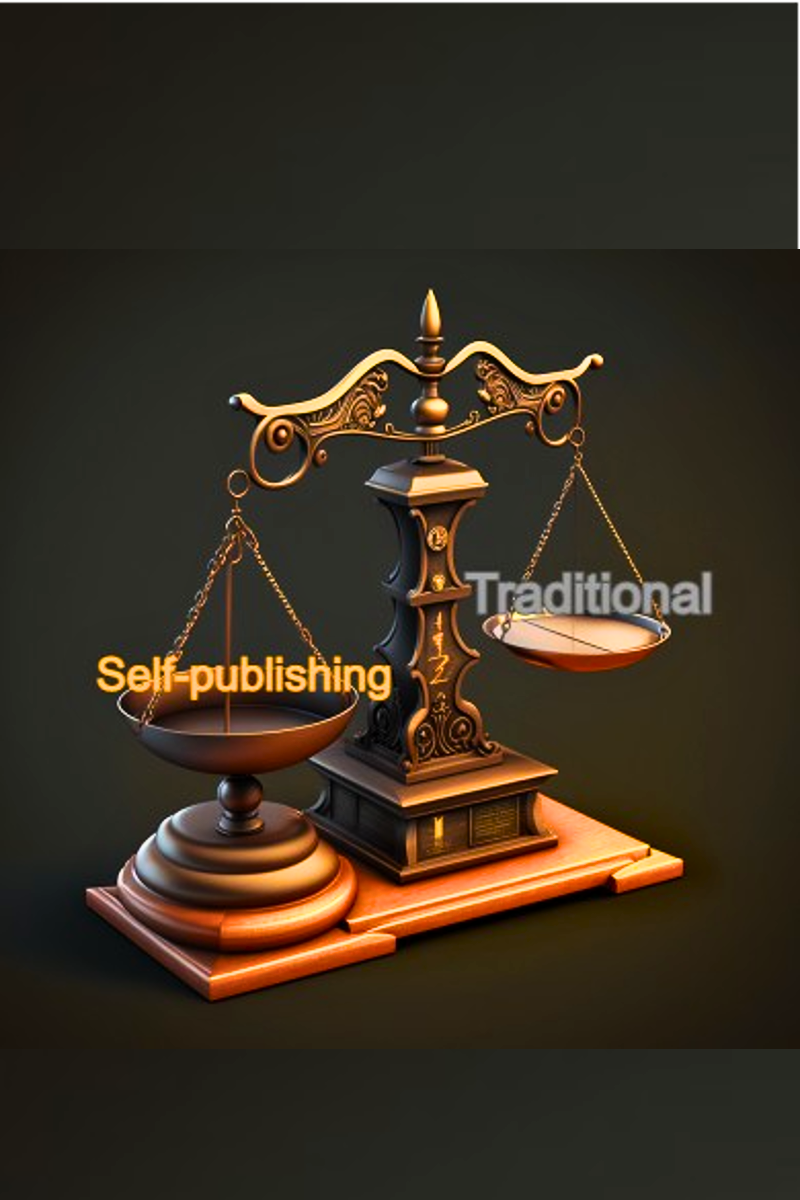
In the world of book publishing, authors face a critical decision: traditional publishing or self-publishing. Each path has its own advantages and disadvantages. In this blog post, we’ll explore the differences between traditional publishing and self-publishing, helping authors make an informed choice about their publishing journey.

Traditional Publishing

Traditional publishing involves submitting your manuscript to a publishing house or literary agent in the hopes of getting accepted. If your book is accepted, the publisher will handle everything from editing and cover design to distribution and marketing. Here are some of the pros and cons of traditional publishing:

Prestige:

Getting published by a traditional publisher is still considered the gold standard in the publishing industry. It can give you instant credibility and help you establish a reputation as a serious author.

Professional support:

Traditional publishers have experienced editors, designers, and marketers who can help make your book the best it can be. They can also help get your book into bookstores and other retail outlets.

Advance payment:

If your book is accepted by a traditional publisher, you will usually receive an advance payment, which can help cover your expenses while you work on your book.

Wider reach:

Traditional publishers have established distribution networks and can get your book into bookstores and libraries all over the world.

Cons:

  1. Limited control: When you sign a contract with a traditional publisher, you give up a lot of control over your book. They will make decisions about the cover design, title, and marketing strategy, and you may not always agree with their choices.
  2. Long wait times: It can take months or even years to hear back from a publisher, and even if your book is accepted, it can take a long time before it’s actually published.
  3. Royalties: Traditional publishers typically pay authors a royalty of around 10-15% of the book’s sale price, which is often split with your literary agent. This can be a lot less than what you could earn if you self-published.
  4. Rejection: Even if you’ve written a great book, there’s no guarantee that a traditional publisher will accept it. Rejection can be discouraging and can make it harder to get your book published in the future.

Self-Publishing

Self-publishing involves taking control of the publishing process yourself. You are responsible for everything from editing and cover design to distribution and marketing. Here are some of the pros and cons of self-publishing:
Pros:
  1. Control: When you self-publish, you have complete control over every aspect of your book, from the cover design to the marketing strategy. You can make changes at any time and don’t have to answer to anyone else.
  2. Higher royalties: When you self-publish, you can earn up to 70% of the book’s sale price, depending on the platform you use. This can be a lot more than what you could earn with traditional publishing.
  3. Faster publishing: With self-publishing, you can get your book published as soon as it’s ready, without having to wait for a publisher to accept it.
  4. Flexibility: With self-publishing, you can experiment with different pricing strategies, marketing techniques, and even book formats to find what works best for you and your book.

Cons:

  1. Quality control: When you self-publish, you are responsible for ensuring the quality of your book. This means hiring editors, proofreaders, and cover designers, which can be expensive.
  2. Marketing: When you self-publish, you are responsible for marketing your book and getting it in front of readers. This can be time-consuming and can require a lot of effort.
  3. Limited reach: Self-published books often have a harder time getting into bookstores and libraries.
In conclusion, both traditional publishing and self-publishing have their own unique advantages. Visit our book publishing page for tips and secrets to successfully publish your book. Contact Parker Publishers for further inquiries.
TAGS: #Advantages of self-publishing#Self-publishing benefits#Traditional publishing process
PREVIOUS
Bring Your Author Platform
NEXT
Judge A Book By its Cover
Related Post
March 11, 2024
Book Clubs: Discussion Guides and Recommendations
January 4, 2024
Hardcover vs. eBook: The Reading Format Debate
December 29, 2023
Mastering the Art of Proofreading: Common Mistakes to Avoid.
March 6, 2024
Literary Trends of 2024: What’s Hot in the World of Books and Authors
Leave a Reply

Click here to cancel reply.

Recent Posts

  • FEATURE ARTICLE FOR PAPER MAGAZINE BY PARKER PUBLISHERS
  • FOR IMMEDIATE RELEASE
  • Impossible Things by L. Renae Spann Now Available
  • Dangerous Enclosures by Del Hardiman Delivers a Brutally Honest Story of Survival, Courage, and the High Cost of Service
  • L. Renae Spann’s Upcoming Memoir, Confronts Generational Pain, and the Hard Road to Healing

Recent Comments

  1. Philip D. Baker on FEATURE ARTICLE FOR PAPER MAGAZINE BY PARKER PUBLISHERS
  2. Dennis Burgess on FEATURE ARTICLE FOR PAPER MAGAZINE BY PARKER PUBLISHERS
  3. John K on Stepping Forward Past the Cemetery: by Thomas McKinney
  4. Frankie D. Ryan on Stepping Forward Past the Cemetery: by Thomas McKinney
  5. Sun J. Parker on Stepping Forward Past the Cemetery: by Thomas McKinney
About Us

Parker Publishers presents Paper Parker Magazine, a blog exclusively crafted for authors seeking tips and secrets to succeed in book publishing. Discover invaluable insights and expert advice to navigate the publishing industry with confidence.

Why Us


Parker Publishers is your go-to destination for all your book publishing needs. With our exclusive blog, Paper Magazine, we provide aspiring authors like you with insider secrets, expert tips, and invaluable insights.

Latest News
  • FEATURE ARTICLE FOR PAPER MAGAZINE BY PARKER PUBLISHERS
  • FOR IMMEDIATE RELEASE
  • Impossible Things by L. Renae Spann Now Available
  • Dangerous Enclosures by Del Hardiman Delivers a Brutally Honest Story of Survival, Courage, and the High Cost of Service
  • L. Renae Spann’s Upcoming Memoir, Confronts Generational Pain, and the Hard Road to Healing
Featured News
  • FEATURE ARTICLE FOR PAPER MAGAZINE BY PARKER PUBLISHERS
  • FOR IMMEDIATE RELEASE
  • Impossible Things by L. Renae Spann Now Available
  • Dangerous Enclosures by Del Hardiman Delivers a Brutally Honest Story of Survival, Courage, and the High Cost of Service
  • L. Renae Spann’s Upcoming Memoir, Confronts Generational Pain, and the Hard Road to Healing
Scroll To Top
© Copyright 2026 - Paper Parker . All Rights Reserved